
Solar and storage for telecom towers
Operating distributed tower sites across unstable grid corridors drives up diesel logistics costs, generator runtime, and battery replacement cycles. Terragreen provides standardized solarisation, solarisation-cum-storage, and dedicated O&M solutions engineered to keep telecom towers powered at lower operating cost.
A Terrakraft India company. Backed by our group's documented 1,000-site distributed deployment record delivered by Zyntra. Proven on your network through a structured pilot.
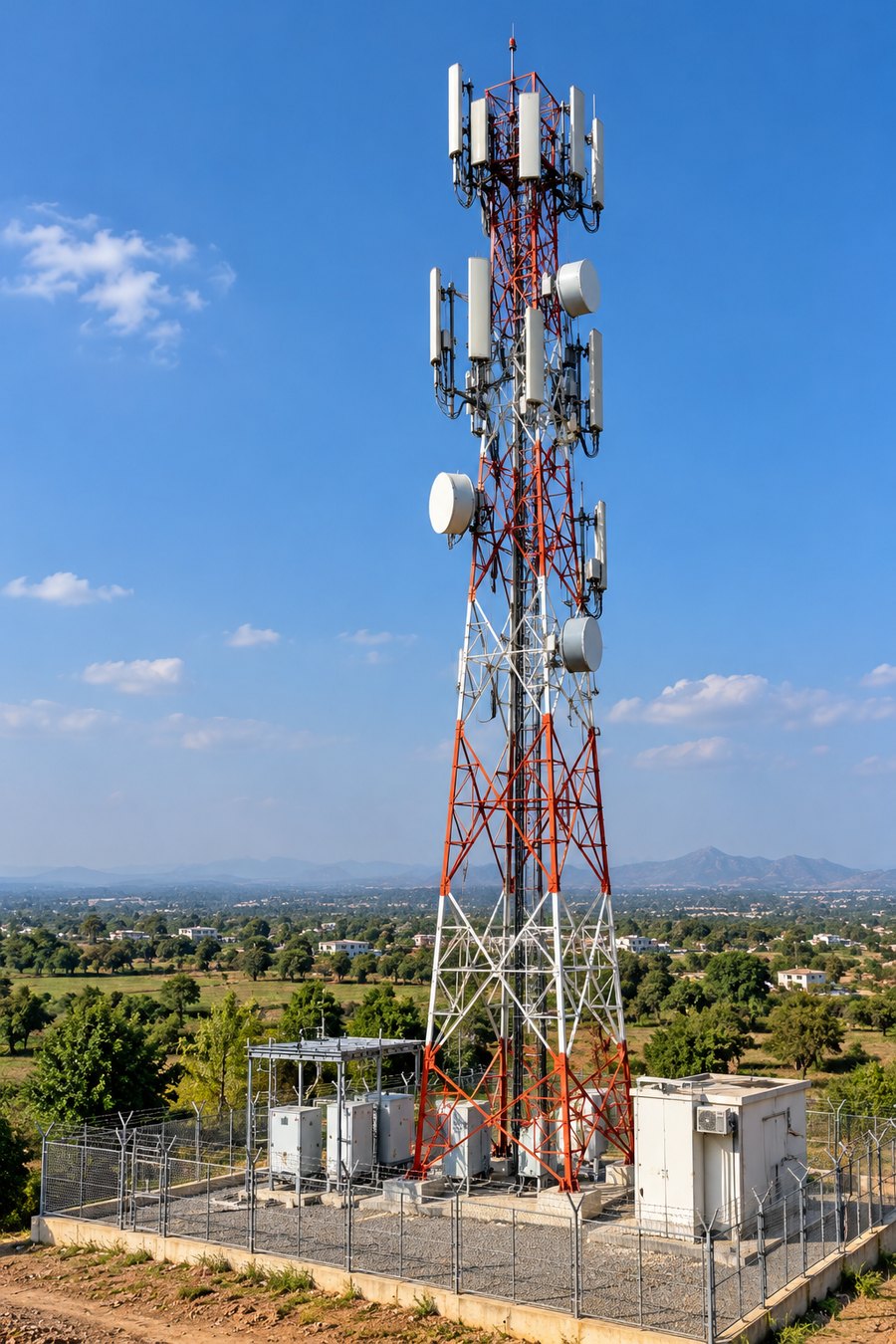
Diesel dependency and weak grids across distributed portfolios
Managing power across hundreds or thousands of distributed tower sites presents severe operational difficulties:
Grid Volatility
Rural and semi-urban sites face frequent outages, low voltage conditions, and single-phasing.
Diesel Logistics Costs
Fuel procurement, theft risks, and continuous generator servicing erode site operating margins.
Premature Battery Degradation
Standard lead-acid or low-grade lithium batteries degrade quickly when cycled under ambient heat without active balancing.
Terragreen standardizes power delivery across site clusters, tailoring generation and storage to the specific grid availability of each site.
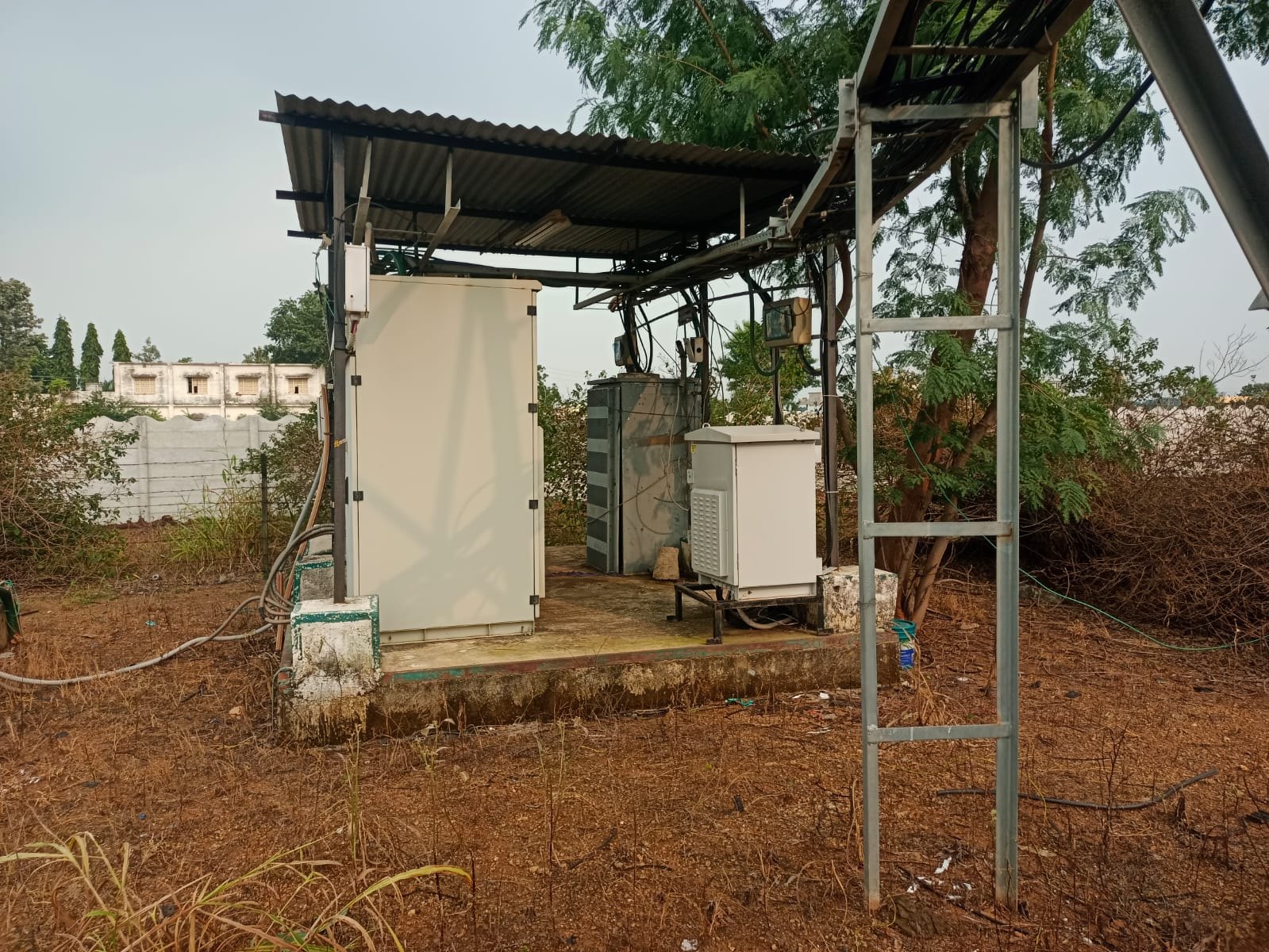
Energy that stays on.
Terragreen standardizes power delivery across site clusters, tailoring generation and storage to the specific grid availability of each site.
Sized to your grid quality: solarisation or solarisation-cum-storage
Every tower site falls into one of two operating realities. We assess your grid logs and implement the appropriate electrical path:
Path 1: Solarisation (Sites with 18+ Hours of Grid)
Designed for sites where utility power is generally available during night hours. Rooftop or ground solar arrays are tied directly to the site DC power plant via MPPT solar charge controllers.
- Solar power prioritizes powering active 48 V telecom radio equipment during the day.
- Displaces daytime grid consumption and keeps existing batteries fully charged.
- Lowers monthly electricity bills with minimal capital outlay.
Path 2: Solarisation-cum-Storage (Weak-Grid and Diesel-Heavy Sites)
Designed for sites with frequent outages (under 12 to 14 hours of daily grid) or high generator running hours. We install high-efficiency solar arrays paired with durable Lithium Iron Phosphate (LFP) battery storage racks.
- Solar generates power while the battery provides extended backup autonomy.
- The system carries the site through outages on stored green energy.
- Diesel generators are relegated strictly to emergency standby, cutting engine run-hours and fuel deliveries by 40% to 75%.
Portfolio-level maintenance and remote monitoring
A clean installation requires disciplined ongoing maintenance to maintain performance. Terragreen provides structured O&M for telecom towers:
Cluster-Based Flying Crews
Trained technical teams with supervising engineers assigned to geographic clusters for scheduled preventive maintenance.
Remote Performance Monitoring
String-level generation and battery telemetry piped into your central Network Operations Centre (NOC).
Guaranteed Service-Level Agreements
Written response and restoration timelines for emergency outages.
Domestic Spares & Take-Back
Zyntra module and BMS spares held in regional Indian warehouses, backed by extended producer responsibility (EPR) battery take-back.
Documented deployment discipline across 1,000 sites
Deploying power systems across hundreds of remote locations requires repeatable operational discipline.
Our group company, Zyntra, delivered, installed, and commissioned LFP energy storage across 1,000 government-building sites along a 600 km corridor in Uttar Pradesh. The installations involved lightly staffed sites operating on weak grids without climate control.
Status: Documented, Zyntra records, October 2026.
Standardized Installation
Predetermined conduit entries, mounting templates, and wiring standards deployed uniformly across hundreds of sites.
Cluster Deployment Logistics
Coordinated regional crews executing repeatable handovers on schedule.
Rigorous Verification
Geo-tagged photographs, time-stamped commissioning checklists, and tamper-evident handover documentation for every single site.
How we apply this to your towers
Experience in one sector does not automatically establish performance in another. We do not claim government building records as telecom proof. Instead, we bring this proven deployment discipline to your network by running a structured pilot on candidate tower sites.
Frequently asked questions on tower solarisation
How does Terragreen determine which sites justify solar or storage?
We evaluate your site logs: monthly grid uptime hours, generator running hours, historical diesel consumption, and physical footprint (ground space or rooftop shelter). We categorize your portfolio into clear payback tiers before proposing hardware.
Can your solar systems interface with our existing 48 V DC rectifiers and SMPS?
Yes. Our systems integrate cleanly with standard telecom SMPS power plants (including Delta, Vertiv, and Eltek) using positive-ground 48 V DC architecture, matching float/boost charge voltages directly.
How do we initiate a telecom tower pilot?
Select 10 to 20 representative sites across a single operating cluster. We install monitoring, assess load patterns, deploy configured solarisation or storage systems, and measure diesel displacement directly against your historical baseline over 60 to 90 days.
Prove solarisation savings on your tower network
Nominate a candidate cluster of tower sites with historical generator run logs. Our team will prepare a pilot proposal with defined measurement and verification criteria.