
Utility-scale solar EPC
Large-scale solar projects require rigorous technical discipline, predictable supply chains, and adherence to grid interconnection codes. Terragreen delivers engineering, procurement, and construction for utility-scale solar generation and IPP projects. We work from clear single-line diagrams, documented design baselines, and structured test criteria to deliver bankable assets on schedule.
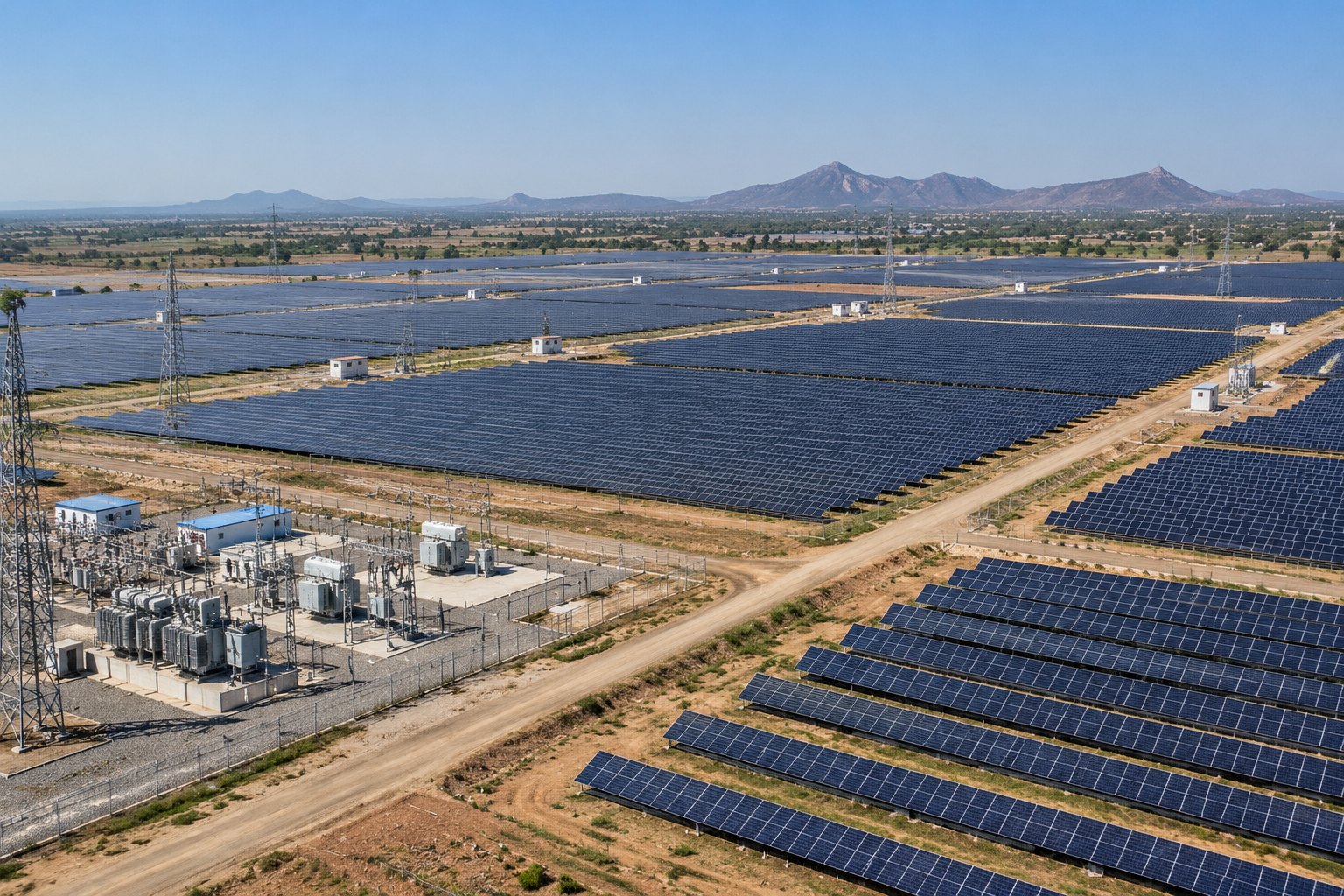
Built for IPPs, developers, and utility procurement cells
We deliver utility-scale solar projects across central and state government tenders, private utility contracts, and group captive generation parks.
Independent Power Producers (IPPs)
Technical delivery partner executing balance-of-system (BoS) or complete EPC under defined performance metrics.
Large Group Captive Offtakers
Delivering ground-mounted solar farms wheeling power via state transmission utilities (STU) or the central transmission utility (CTU) under open access rules.
Joint EPC Partnerships
Teaming up with infrastructure developers requiring specialized electrical engineering and high-voltage transmission substation execution.
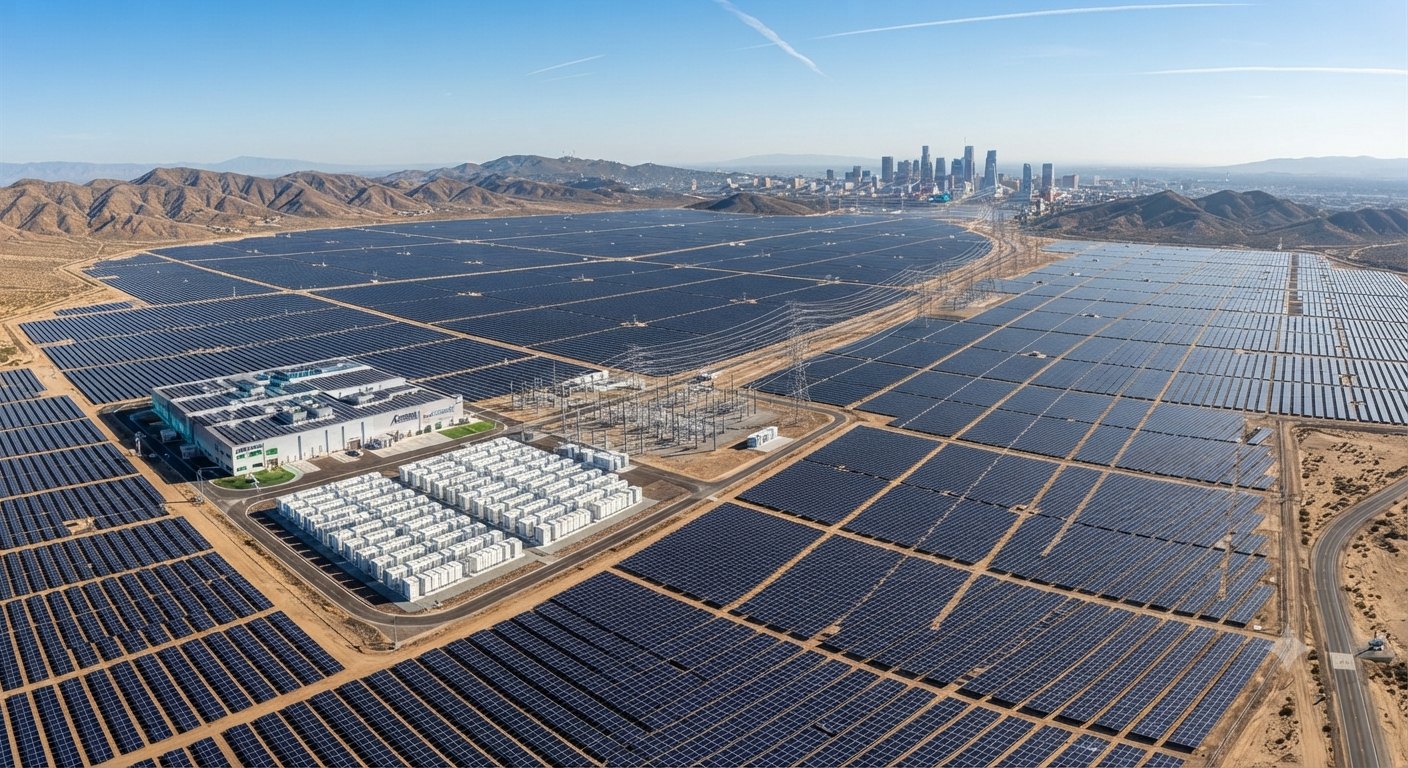
Energy that stays on.
We work from clear single-line diagrams, documented design baselines, and structured test criteria to deliver bankable assets on schedule.
Engineering for grid compliance and long-term yield
Utility solar projects succeed or fail on electrical engineering precision and grid interconnection management. Terragreen's technical team addresses grid and terrain challenges during early planning:
Grid-Code Compliance and Evacuation Architecture
Plants must comply with Central Electricity Authority (CEA) Technical Standards for Connectivity to the Grid, including:
- Low-Voltage Ride-Through (LVRT) and High-Voltage Ride-Through (HVRT) compliance.
- Reactive power control and active power curtailment capability at the Pooling Substation (PSS).
- Dedicated bay engineering at 33 kV, 66 kV, or 132 kV connecting into the transmission utility substation.
Civil, Hydrological, and Structural Engineering
Utility sites often feature complex geotechnical and drainage conditions. We run:
- 50-year flood hydrology studies to set invert levels for module mounting tables, inverter stations, and perimeter bunds.
- Pull-out, lateral, and compressive load testing across soil strata to engineer ramming or bored cast-in-situ concrete pile depths.
- Structural design to withstand local gust wind speeds in compliance with IS 875 (Part 3).
Optimized DC-to-AC Ratio and Balance of Plant
We balance system cost against clipping losses by optimizing inverter loading ratios (typically 1.30 to 1.45 DC/AC). String layout and combiner placements are designed to minimize ohmic losses in DC cabling to under 1.5%, ensuring maximum energy reaches the transmission line.
Storage readiness for grid firming and ramp-rate control
As state regulators enforce stricter deviation settlement mechanisms (DSM) and peak supply obligations, utility generation requires energy storage readiness.
Terragreen designs utility-scale solar with physical and electrical provisions for co-located battery energy storage systems (BESS):
Ramp-rate limitation
Buffering rapid generation drops during intermittent cloud cover.
Peak shaving and firming
Shifting daylight energy into evening peak tariff windows.
Switchyard allocation
Pre-allocated land, transformer bays, and switchgear integration points for containerized battery racks.
Where storage is integrated, we evaluate configurable containerized storage solutions, including systems from our sister brand Zyntra or third-party OEMs, selected on technical fit and bankability.
Quality assurance for procurement teams and project lenders
Utility procurement cells and lenders require documented verification at every milestone. Terragreen provides a structured quality assurance plan (QAP):
Tier-1 Component Procurement
Direct factory inspections, flash test report validation, and third-party electroluminescence (EL) testing before module shipment.
Standardized Installation Controls
Factory-calibrated torque wrenches used across all structure fasteners, cable pull tension logs, and cold-shrink termination protocols.
Acceptance Testing
Insulation resistance testing, earth loop impedance testing, transformer oil breakdown voltage (BDV) tests, and protective relay injection testing.
Performance Ratio (PR) Testing
Continuous meteorological data acquisition and PR calculation in accordance with IEC 61724 standards over a 15-day to 30-day acceptance trial.
Frequently asked questions on utility solar EPC
Can Terragreen handle transmission line construction and substation bays?
Yes. Our engineering and construction scope includes internal 33 kV cabling, 33/66 kV or 33/132 kV pooling substations, bay extension work at the utility grid substation, and overhead transmission line execution, subject to the agreed contract boundary.
What documentation does Terragreen provide for project financing?
We provide complete bankable documentation: PVSyst generation reports with P50/P90 exceedance probabilities, single-line diagrams, vendor datasheets and warranty schedules, civil design calculations, grid interconnection permits, and detailed bill of quantities (BOQ).
How does Terragreen verify project references?
Project credentials, client names, and site performance records are maintained under our internal claims register and shared directly with procurement leads under mutual consent agreements during tender evaluation.
Discuss your tender or utility generation project
Share your project capacity, interconnection voltage, and tender technical requirements. Our project director will review your documents and provide an engineering response.