
Hybrid solar and storage systems for industry
Solar generates when the sun shines. Operations run when the plant runs. Hybrid closes the gap. Terragreen engineers integrated solar-plus-storage systems that protect continuous production, eliminate peak-demand penalties, and lower your net cost per unit under one accountable contract.
A Terrakraft India company. Engineered with storage sized to your load profile first, with configurable Zyntra LFP storage integrated on technical merit.
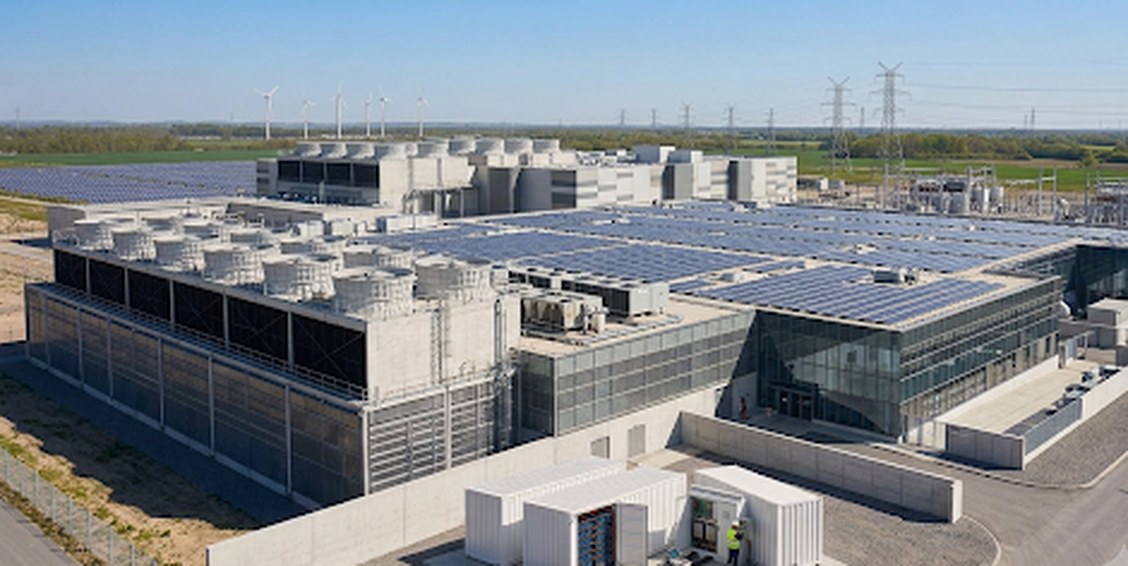
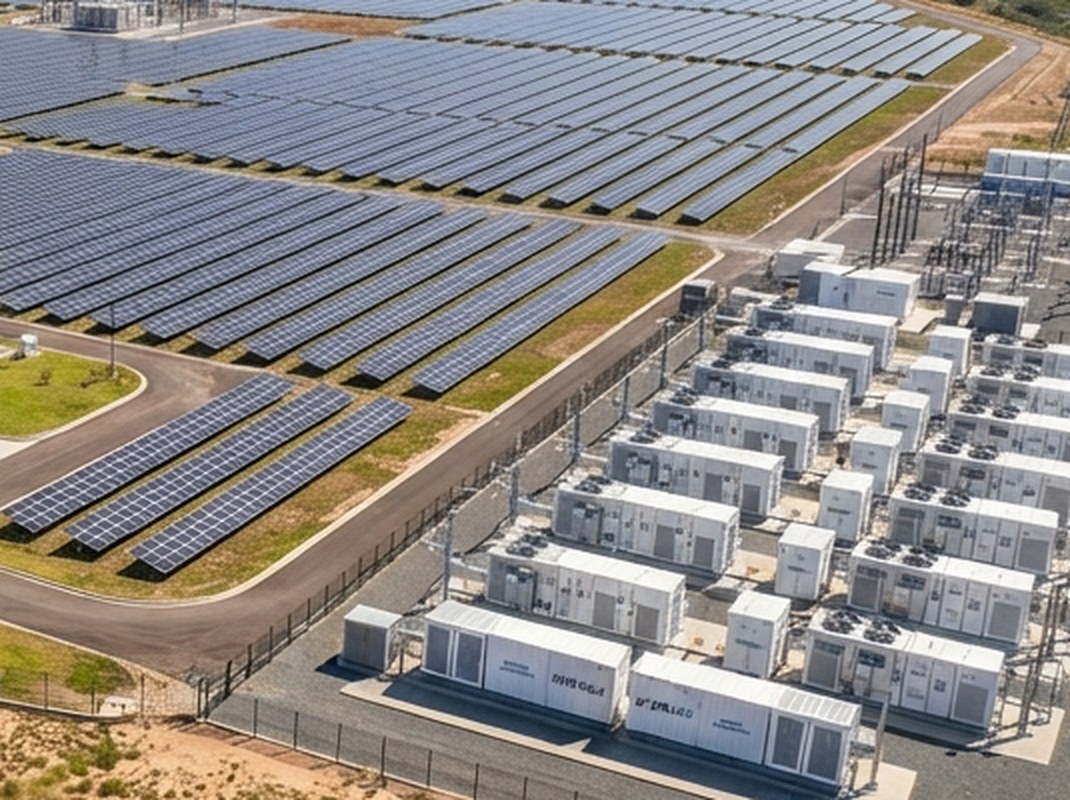
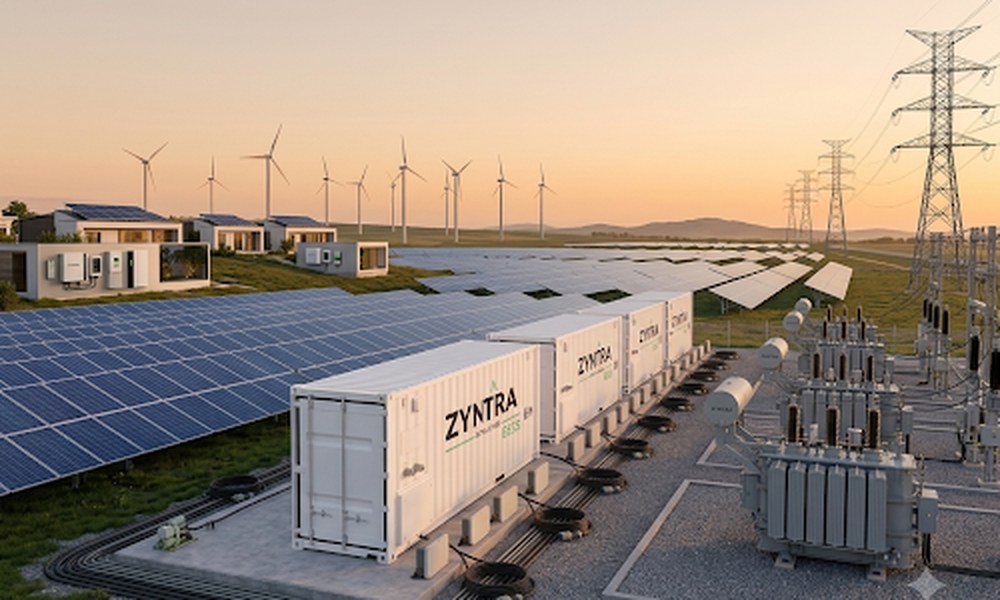
Figures are platform and typical values. Project results are modelled from your own bills and stated in the proposal.
Solar is the easy part. Keeping the power on is the work.
Grid-tied solar panels produce maximum power between 11:00 and 14:00. In many manufacturing facilities and commercial complexes, energy demand peaks in the morning during machine startup or extends well into the evening shift when grid tariffs are at their highest.
Without battery storage, surplus midday generation is often exported to the utility grid for low feed-in credits, or curtailed entirely when distribution companies restrict reverse feeding. Meanwhile, momentary grid voltage dips cause production interruptions, tripping automated machinery and forcing facilities onto expensive diesel generation.
A Terragreen hybrid system captures daytime generation, buffers factory busbars against voltage sag, and dispatches stored solar power directly into your facility's high-tariff operational hours.
Energy that stays on.
Solar generates when the sun shines. Operations run when the plant runs. Hybrid closes the gap.
How the hybrid loop functions on your plant bus
We engineer the solar array, battery energy storage system (BESS), power conversion systems (PCS), and energy management software (EMS) to work as a unified electrical loop.
Instantaneous Outage Transition
When utility grid voltage drops below tolerance or fails completely, the hybrid controller isolates the facility from the grid (automatic islanding) within <20 ms. Critical production lines continue operating on stored battery power without reset delays or machine stoppage.
Dynamic Peak Shaving
When heavy equipment starts up—such as large motors, chillers, or induction furnaces—the battery discharges in sub-millisecond time to shave the demand spike. This keeps contracted maximum demand (kVA) within agreed utility limits, avoiding punitive demand surcharges.
Optimized Self-Consumption
The system routes midday solar electricity directly into active machinery first. Any surplus is channeled into charging the battery rather than being exported at unfavorable feed-in tariffs, providing full self-reliance during the evening shift.
Sized from your operational duty, not a standardized catalog
We do not design a solar plant and estimate battery capacity afterward. We apply storage-first engineering, tailoring the system around four site variables:
Load Profile
Sizing the inverter and battery discharge rate (C-rate) to match continuous baseloads and inductive surge currents.
Backup Duration
Calculating usable kilowatt-hour (kWh) capacity around the exact hours your critical operations must run without grid power.
Operating Environment
Specifying IP55 or IP66 enclosures with directed front-to-back thermal airflow, engineered to operate reliably in ambient Indian heat and industrial dust.
Integration Needs
Engineering physical busbar connections, breaker capacities, and communications protocols (Modbus TCP, DNP3, IEC 61850) to match existing plant switchgear.
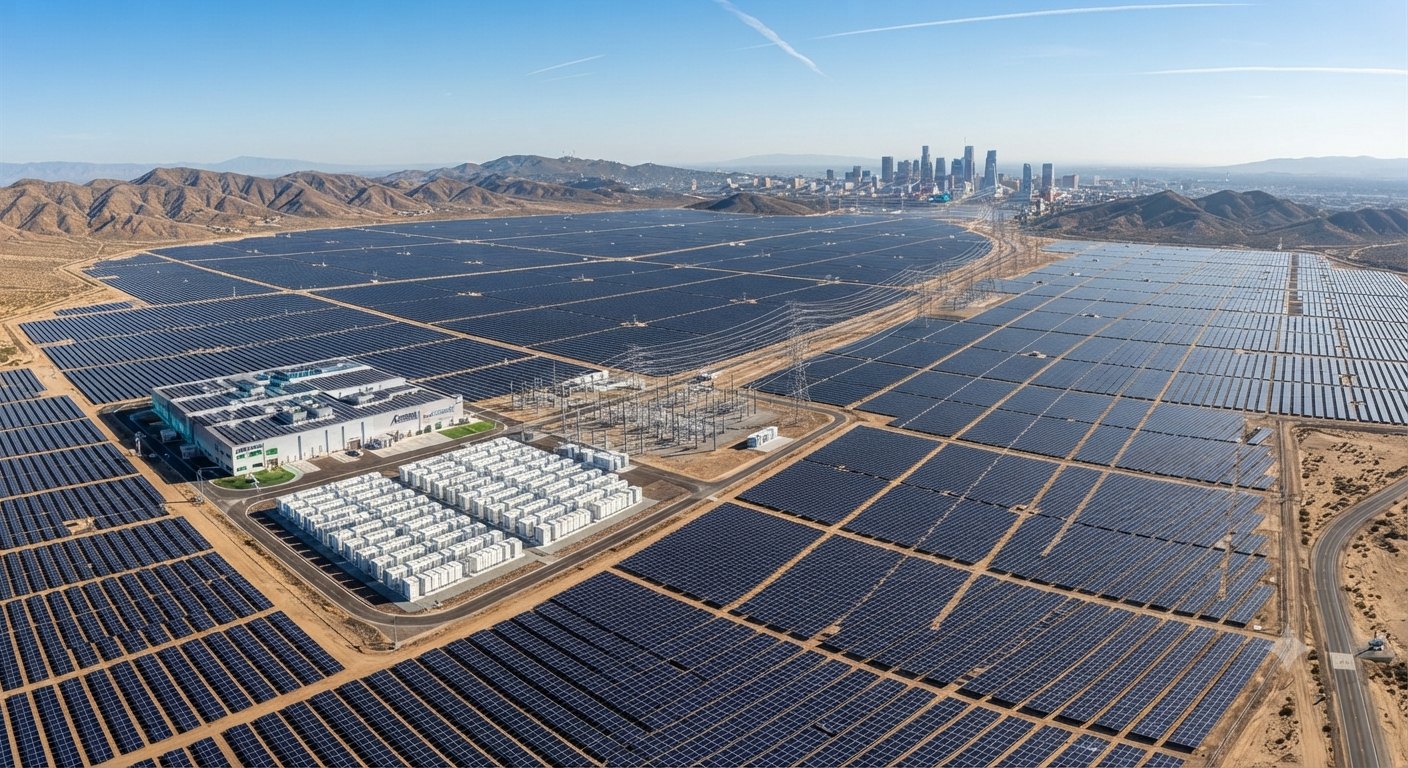
Through our sister company Zyntra, we incorporate configurable domestic LFP storage products with customizable bills of materials (BoMs), while maintaining the flexibility to specify alternative Tier-1 equipment based on technical merit.
Transparent proposals with verified engineering data
Every commercial proposal from Terragreen is built around six documented sections, eliminating ambiguous assumptions for plant heads, CFOs, and procurement committees:
Load Profile & Energy Demand
Derived from your 15-minute interval data.
Solar & Grid Supply Model
Site insolation simulation, shading, tariffs.
Storage & Backup Duration
kWh capacity, chemistry, and sizing rationale.
Architecture & Interfaces
Complete single-line diagram and relay specs.
Indicative Financial Model
Itemized savings with all assumptions stated.
Scope & Delivery Boundaries
Exact contractual division of responsibilities.
How hybrid economics are modeled and measured
We calculate your return on investment using verified baseline electricity bills and plant operating logs rather than generic industry averages.
| Ssolar | Direct solar self-consumption savings (kWh × Base Tariff) |
| Sarbitrage | Stored energy discharged during evening peak tariff slabs |
| ΔD | Net reduction in monthly contracted demand penalties (kVA) |
| Sdiesel | Direct fuel and maintenance savings from displaced DG run-hours |
| Com | Annualized operations and preventive maintenance expenses |
Figures and formulas on this page are indicative and non-binding estimates. See the Disclaimer.
Stated modeling assumptions
We disclose all underlying calculations in writing—including 25-year solar module degradation (0.5%/yr), battery capacity retention (rated for 8,000 cycles at 0.5C before dropping below 80%), and system round-trip efficiency (RTE >86%).
Measured verification
Post-commissioning telemetry compares ongoing energy performance directly against your pre-installation 12-month baseline.
Scope boundaries for hybrid installations
We provide single-point accountability for both solar generation and battery storage, eliminating disputes between separate contractors:
| Project phase | Terragreen responsibility | Client / facility scope |
|---|---|---|
| Feasibility & Design | Included 15-minute load profiling, solar irradiance modeling, structural check, and protection coordination single-line diagram (SLD). | Providing 12 months of utility bills, tariff orders, structural drawings, and load schedules. |
| Equipment Procurement | Included Tier-1 solar modules, mounting structures, bi-directional hybrid inverters, LFP battery racks, BMS, and balance-of-system cabling. | Designating indoor room or outdoor foundation footprint for battery and inverter placement. |
| Civil & Electrical EPC | Included Mounting array installation, DC/AC cable trenching, earthing grid, lightning protection, and switchgear interlocks. | Providing safe site access, material laydown area, and scheduled plant shutdown for bus tie-in. |
| Grid & CEIG Approvals | Included Preparation of technical documentation, drawings, and liaison support for statutory electrical inspectorate and discom approvals. | Formal application signing and payment of statutory/utility inspection fees. |
| Testing & Commissioning | Included Cold/hot loop testing, islanding transition checks, dynamic peak-shaving tuning, and formal Performance Ratio (PR) acceptance tests. | Client electrical team witness and sign-off on commissioning test protocols. |
| Lifecycle Service | Optional Ongoing telemetry monitoring, preventative maintenance, thermography, and cell State-of-Health (SoH) tracking under a Service Agreement. | Maintaining local LAN/network connectivity for secure telemetry relay. |
1,000-site distributed deployment record, delivered by Zyntra.
Frequently asked questions about hybrid solar and storage
Should our facility choose a solar-only system or a hybrid solar-plus-storage system?
If your plant operates strictly during daylight hours, has reliable grid power, and faces no peak demand penalties, solar-only provides the fastest payback. If your facility experiences power cuts, operates evening shifts under high ToD tariffs, or uses diesel generators, hybrid delivers greater overall savings and operational continuity. We model both scenarios side-by-side using your billing data.
Can a hybrid system run completely off-grid if the main utility power fails for days?
Yes, provided the solar array generates sufficient daily energy to recharge the battery bank and daytime loads are managed within the inverter's rated continuous capacity. Our hybrid systems feature native black-start capability to restart generation independently without grid reference voltage.
Who warrants the system when solar panels and batteries are from different manufacturers?
Terragreen acts as the single accountable EPC contractor. We provide an overall project and workmanship warranty covering system integration and performance. Component warranties (e.g., 25 years on solar modules, 5 years on battery packs with 15-year support commitments) are backed by the respective equipment manufacturers and administered directly through Terragreen.
How does the system ensure safety with a large battery bank inside or near an operating plant?
We deploy Lithium Iron Phosphate (LiFePO4) chemistry, which remains thermally stable up to +270 °C with zero cobalt or nickel content. Protection is enforced at the physical hardware layer by an independent BMS that executes continuous voltage and temperature cutoffs, complemented by automated aerosol fire suppression in all enclosures.
Review hybrid feasibility for your facility
Send us your last 12 months of electricity bills, peak demand data, and available roof or ground layout. Our engineering team will model an integrated solar-plus-storage layout with explicit financial payback metrics.